
Eye Exam at Clinic For Vision in Albertville AL
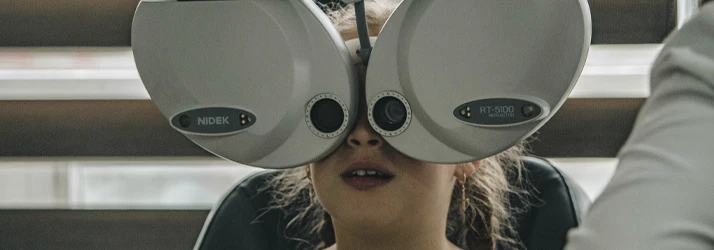
Routine eye exams help protect vision and detect eye problems early. At Clinic For Vision, we provide comprehensive eye exams that assess vision, eye health, and subtle changes that may be hard to notice. Our friendly team makes the exam process simple and comfortable while supporting healthy eyesight for every stage of life.
Why It Is Important for Your Vision Health
An eye exam is a complete evaluation of how well your eyes see and how healthy they are. It is not limited to checking whether you need glasses; it also focuses on how your eyes work together and on early signs of eye conditions that may affect vision later.
During an eye exam, the doctor checks distance and near vision, focusing ability, and eye coordination. The exam also includes a careful look at the internal parts of the eye, such as the retina and optic nerve, which play a major role in clear vision. These checks help detect problems before they cause noticeable symptoms.
Many eye conditions develop slowly and without pain, which makes them hard to detect without regular exams. An eye exam can reveal vision changes, eye strain, or early signs of disease that may otherwise go unnoticed.
Eye exams are important at every age. For children, they support learning and development, while for adults and seniors, they help protect independence, safety, and long-term eye health.
Step-by-Step Eye Examination Process Used to Determine Accurate Prescriptions in Albertville AL
An eye exam follows a clear, careful process to determine the right eyeglass prescription. The exam is safe, painless, and designed to check both how well you see and how comfortable your eyes feel. Each step builds on the one before it.
The exam usually begins with questions about your vision. You may be asked if you experience blurry sight, headaches, or trouble focusing. This helps guide the rest of the exam. Next, eye charts and lights are used to test how well you see at near and far distances.
Each eye is then tested separately using different lenses. You choose which option looks clearer. This step helps fine-tune the prescription. Eye pressure, eye movement, and basic eye health checks may also be done.
At the end of the exam, the doctor explains your results in simple terms and answers any questions you have. At Clinic For Vision, this step-by-step process helps ensure each patient receives an accurate, comfortable eyeglass prescription designed for daily use.
Signs That Indicate You May Need an Eye Exam Soon in Albertville AL
Some vision changes happen slowly, making them easy to ignore at first. Paying attention to early signs can help prevent discomfort and avoid further vision problems.
Common signs that suggest you may need an eye exam include:
- Blurry vision at near or far distances.
- Frequent headaches after reading or screen use.
- Eye strain or tired eyes.
- Difficulty seeing clearly at night.
- Squinting to improve focus.
Children may show signs by sitting close to screens, avoiding reading, or struggling in school. Adults may notice discomfort while driving, working, or using digital devices for long hours.
Even when none of these signs are present, regular eye exams are still important. Some eye conditions do not cause noticeable symptoms early, which is why routine exams play a key role in protecting vision and eye health.
Comprehensive Eye Examination
A comprehensive eye exam follows a structured process that assesses both vision clarity and eye health. The exam is painless and comfortable, usually takes a short time, and provides valuable information.
The exam often begins with questions about your vision history, daily activities, and any discomfort you may experience. This helps guide the rest of the exam. Vision tests are then performed to measure how clearly you see at different distances.
Next, the doctor checks how your eyes focus and work together. Eye pressure may be measured, and special instruments are used to examine the inside of the eyes. These steps help detect early signs of conditions such as glaucoma or retinal changes.
At the end of the exam, the results are explained clearly, and recommendations are discussed. At Clinic For Vision, this step-by-step eye exam process is carried out with attention to accuracy, comfort, and patient understanding.
Tests and Tools Commonly Used During an Eye Exam
Eye exams rely on several tools and tests that help gather detailed information about vision and eye health. These tests are safe, gentle, and suitable for patients of all ages.
Common tests and tools used during an eye exam include:
- Visual acuity testing to measure vision clarity.
- Refraction testing to determine eyeglass or contact lens needs.
- Eye pressure testing to screen for glaucoma.
- Eye health examination using light and magnification.
Each test serves a specific purpose, from checking how clearly you see to examining the internal structures of the eye. Together, these tools allow the doctor to form a complete picture of eye health.
Using multiple tests ensures that both vision problems and early eye conditions are identified accurately, supporting better long-term care decisions.
How Eye Exams Help Detect Vision Problems and Eye Diseases Early
One of the most valuable benefits of an eye exam is early detection of vision problems and eye diseases. Many conditions develop gradually and may not cause symptoms until vision is already affected.
Eye exams can detect refractive errors, such as nearsightedness or farsightedness, which affect daily comfort and clarity. They can also help identify early signs of eye diseases like glaucoma, cataracts, or retinal changes.
Finding these issues early allows treatment to begin sooner, which can slow progression and help protect vision. For children, early detection supports learning and healthy eye development. For adults, it helps maintain safety and visual comfort.
Regular eye exams help ensure small changes are managed before they become serious, making them an important part of preventive eye care.
How Often Eye Exams Are Needed
The recommended frequency of eye exams depends on age, vision needs, and overall eye health. Children may need exams more often as their eyes grow. At the same time, adults benefit from routine checkups even when their vision seems stable.
People with existing vision problems or eye conditions may require more frequent exams to monitor changes. Regular checkups help keep prescriptions up to date and track eye health over time.
At Clinic For Vision, eye exam schedules are tailored to individual needs, helping patients maintain clear vision and healthy eyes through consistent, preventive care.
Schedule Your Appointment Today!
Routine eye exams help check vision changes and overall eye health. Regular visits support clear, comfortable vision. Contact Clinic For Vision to book your appointment.
Contact Information:
Clinic For Vision
418 Martling Rd
Phone: (256) 878-4201

OFFICE HOURS
Monday
7:30am - 11:45am
1:00pm - 5:00pm
Tuesday
7:30am - 11:45am
1:00pm - 5:00pm
Wednesday
7:30am - 11:45am
1:00pm - 5:00pm
Thursday
7:30am - 11:45am
1:00pm - 5:00pm
Friday
Closed
Saturday & Sunday
Closed

Clinic For Vision
418 Martling Rd
Albertville, AL 35951