
Myopia Treatment at Clinic For Vision in Albertville AL
Myopia, or nearsightedness, can make it hard to see distant objects clearly. This condition often develops slowly and may change over time. At Clinic For Vision, we carefully evaluate vision to identify myopia and recommend appropriate care. Regular exams help track changes and support clearer distance vision for daily activities.
What Myopia Is and How It Affects Distance Vision
Myopia, also known as nearsightedness, is a common vision condition in which close objects appear clear, whereas distant objects appear blurry. This occurs when the eye grows longer than it should or when the front surface of the eye curves more than normal, causing light to focus in front of the retina rather than directly on it.
Because of this focusing issue, people with myopia may have trouble seeing road signs, classroom boards, or faces from across a room. At the same time, reading books, using phones, or doing close work may feel easy and natural. This difference between near and distant vision often means myopia goes unnoticed at first.
Myopia often begins during childhood and may slowly increase as the eyes grow and develop. Children may squint, sit closer to screens, or report tired eyes without recognizing that their distance vision is impaired. Adults may notice difficulties with night driving or with viewing presentations from a distance.
Although myopia cannot be reversed, it can be corrected very effectively. With proper diagnosis, treatment, and regular monitoring, people with myopia can maintain clear vision and stay comfortable during daily activities.
Common Causes and Risk Factors That Can Increase Myopia
Myopia typically results from a combination of genetic factors and lifestyle habits. Genetics plays an important role, but lifestyle factors can also affect how early myopia starts and how quickly it progresses.
Children who have one or both parents with myopia are more likely to develop it themselves. In addition, spending long hours on close-up activities such as reading, homework, or screen use can strain developing eyes, especially when breaks are not taken regularly.
Risk factors that may increase the chance or progression of myopia include:
- Family history of nearsightedness.
- Extended screen time or close work.
- Limited outdoor activity.
- Poor lighting during reading.
- Early onset during childhood.
Spending time outdoors has been linked to healthier eye development in children. Encouraging balanced habits, such as outdoor play, proper lighting, and regular breaks, can support eye comfort and may help slow myopia progression over time.
Signs and Symptoms That Suggest Nearsightedness in Albertville AL
The symptoms of myopia often develop gradually, making them easy to miss. Many people adjust their behavior without realizing their vision has changed, especially when near vision remains clear.
Common signs and symptoms of myopia include:
- Blurry vision when looking at distant objects.
- Squinting to see clearly.
- Frequent headaches after focusing.
- Eye strain during driving or screen use.
- Sitting too close to televisions or classroom boards.
Because these signs develop slowly, routine eye exams are important. Early testing helps confirm myopia and allows correction before vision problems begin to interfere with daily life.
Eye Exams and Tests Used to Diagnose Myopia
Diagnosing myopia requires a comprehensive eye exam that assesses vision clarity and the eyes' ability to focus. These exams are simple, painless, and suitable for patients of all ages.
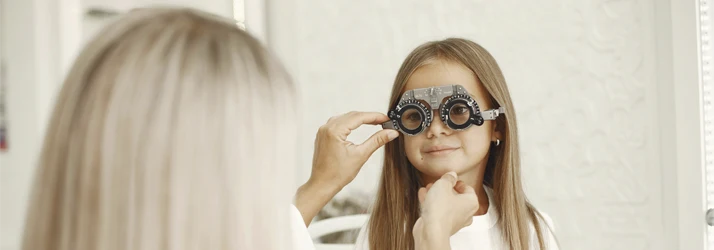
During the exam, distance vision is checked using eye charts, and special lenses are used to determine the exact strength needed for clear vision. The eye doctor also checks how the eyes work together and examines the overall health of the eyes.
Tests commonly used to diagnose myopia include:
- Visual acuity testing to measure distance vision.
- Refraction testing to find the correct lens power.
- Eye health examination using light and magnification.
- Eye alignment and focusing checks.
These tests help confirm myopia and rule out other eye conditions. For children, regular exams are especially important to track changes in their eyes as they grow and to update prescriptions when needed.
Treatment Options to Correct and Manage Myopia
Myopia is most often corrected with eyeglasses or contact lenses, which help focus light properly onto the retina. These corrections improve distance vision and help reduce eye strain during daily activities like driving, learning, and working.
For children, special lens designs or certain types of contact lenses may be recommended to help slow myopia progression. These options are selected carefully based on the child's age, vision needs, and daily habits.
Some adults may also consider vision correction procedures if their eyes are healthy and their prescription is stable. The best treatment option depends on lifestyle, comfort, and long-term eye health goals.
At Clinic For Vision, myopia treatment plans are carefully selected and regularly monitored to support clear vision, comfort, and long-term eye health.
Managing Myopia and Protecting Long-Term Vision
Managing myopia is an ongoing process that goes beyond wearing glasses or contact lenses. Regular eye exams help monitor vision changes and ensure prescriptions remain accurate as the eyes change.
Healthy daily habits play an essential role in eye comfort. Taking breaks from screens, using good lighting while reading, and keeping a proper viewing distance can help reduce eye strain. Outdoor activities are beneficial for children as their eyes develop.
Although myopia often stabilizes in adulthood, routine eye care remains important for monitoring eye health and maintaining clear vision. Long-term management helps reduce the risk of future eye problems related to high myopia.
At Clinic For Vision, long-term myopia care focuses on early detection, consistent monitoring, and patient education to help protect vision at every stage of life.
Book Your Visit Today!
Myopia can affect school, work, and daily activities. Regular eye exams help track changes and support clear distance vision. Contact Clinic For Vision and schedule today.
Contact Information:
Clinic For Vision
418 Martling Rd
Phone: (256) 878-4201

OFFICE HOURS
Monday
7:30am - 11:45am
1:00pm - 5:00pm
Tuesday
7:30am - 11:45am
1:00pm - 5:00pm
Wednesday
7:30am - 11:45am
1:00pm - 5:00pm
Thursday
7:30am - 11:45am
1:00pm - 5:00pm
Friday
Closed
Saturday & Sunday
Closed

Clinic For Vision
418 Martling Rd
Albertville, AL 35951